




Description
-
Common Types of Severe Infections
- Complicated Skin & Soft Tissue Infections (SSTI): Includes deep abscesses, extended cellulitis, myositis, and necrotizing fasciitis.
- Infective Endocarditis (IE): Infection of the heart lining and valves, frequently affecting the tricuspid valve in PWID.
- Bacteremia: Presence of bacteria in the bloodstream, which can spread to other organs.
- Osteomyelitis/Septic Arthritis: Bone or joint infections.
- Other: Spinal infection (vertebral osteomyelitis, epidural abscess) and deep seated organ abscesses.
National Institutes of Health (NIH) | (.gov) +4
Clinical Presentation and Causes- Symptoms: Fever, severe pain, swelling, redness, warmth at the injection site, or systemic symptoms like chills, nausea, and confusion.
- Causes: Repeated injections at a single site, using non-sterile equipment (needles, cookers, filters), using contaminated water, and failing to perform skin hygiene.
- Risk Factors: High-frequency injection, specifically cocaine and opioid (“speedball”) use, homelessness, and pre-existing tissue damage.
National Institutes of Health (.gov) +4
Common Injection-Based Treatment (In-Hospital)
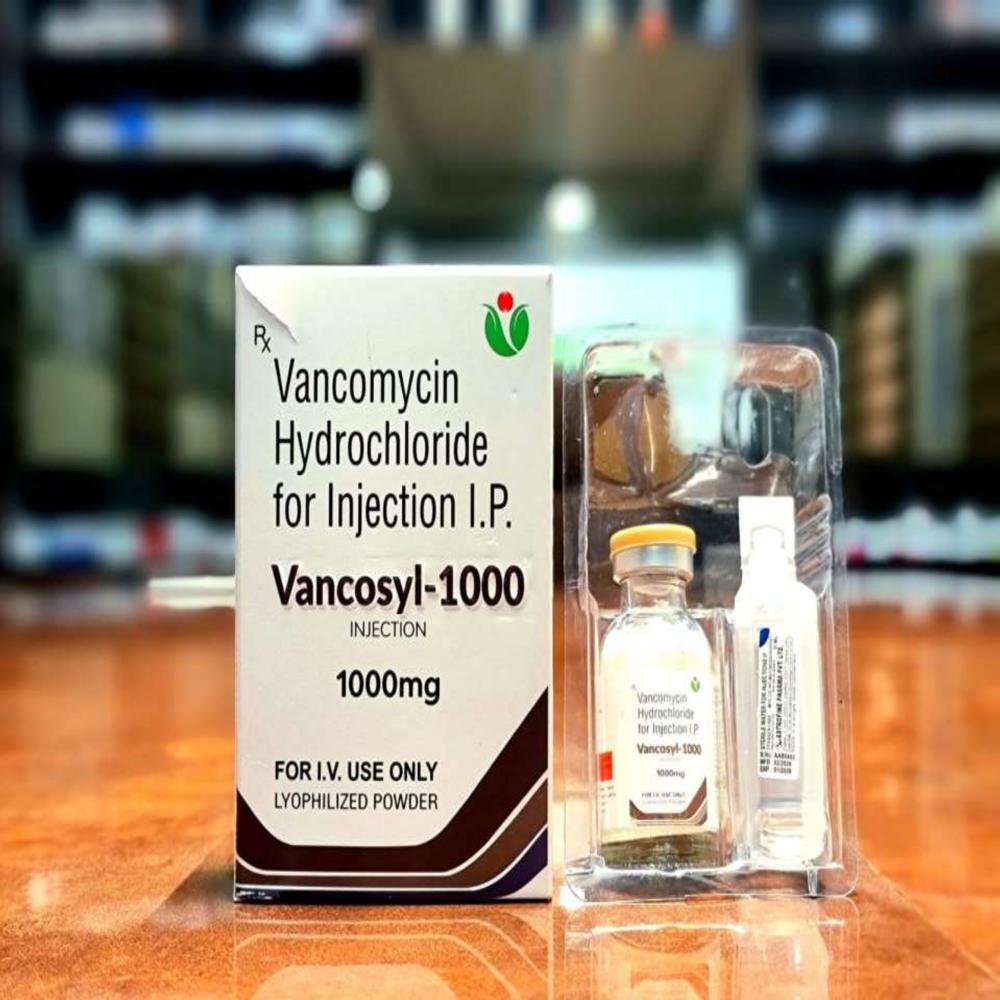
Severe infections often require admission for prolonged intravenous (IV) antibiotics.- Antibiotics: Commonly used antibiotics include Ceftriaxone (for various bacterial infections), Daptomycin (for blood/skin infections), and Vancomycin (for methicillin-resistant Staphylococcus aureus or MRSA).
- Long-acting options: Dalbavancin is increasingly used due to its long half-life, allowing for weekly dosing, which is useful for patients with difficult access to healthcare.
- Surgical Intervention: Incision and drainage for abscesses, or surgical debridement for severe necrotizing infections.
National Institutes of Health (.gov) +7
Management Challenges- Patient-Directed Discharge (PDD): High rates of leaving against medical advice (14-30%), often due to withdrawal symptoms or feeling unsafe.
- Need for Multi-disciplinary Care: Effective treatment requires combining infectious disease management with addiction medicine, such as providing Medication for Opioid Use Disorder (MOUD) to prevent withdrawal and facilitate treatment completion.
- Recurrence: High rates of readmission for re-infection (up to 35% in some cohorts).





Reviews
There are no reviews yet.